FiledDALLASCIUA389 · OCT 13, 2026, 12:39
Peptide Pureness Evaluation Solution
Understanding Peptide Purity: What 99%+ Really Indicates
Peptide screening is the set of analytical checks made use of to assess a peptide example prior to it is utilized in a study operations. In useful COA evaluation, the term typically refers to purity testing, identification screening, and documents testimonial. Pureness testing asks just how much of the spotted sample is the primary peptide versus associated contaminations. Identity testing asks whether the determined mass or sequence-related evidence matches the designated peptide. Paperwork evaluation asks whether the report is batch-specific, traceable, and described enough to be audited. Peptide testing is the logical procedure utilized to verify that a research study peptide is both pure and correctly determined.- Always check that your peptide comes with correct logical information (HPLC chromatogram and MS results) and is labeled for study use.
- Accreditation by relevant bodies (such as ISO/IEC or qualification for GLP/GMP conformity) is a strong sign of high quality.
- Peptide sequencing is critical for determining the specific amino acid series of peptides, consisting of alterations like phosphorylation or acetylation.
- We incorporate LC-MS/MS and chemical food digestion analysis to specifically confirm the sequence and adjustment websites of non-natural changed peptides.
High-performance Liquid Chromatography (hplc): The Purity Requirement
Peptide Applications In Practical Foods And Wellness Items
Enhancing HPLC, labs make use of Mass Spectrometry (commonly combined as LC-MS) to validate the peptide's molecular weight and sequence identity. Mass spectrometry gives molecular confirmation by detecting the exact mass of the peptide and any kind of co-eluting types or truncated series with high accuracy. With each other, HPLC and MS data permit experts to confirm that the peptide's make-up matches what it ought to be (proper amino acid sequence and anticipated modifications) which no significant impurities are present.
Mass Confirmation
For groups that require much deeper structural review, the work can likewise be aligned with peptide sequence evaluation and wider characterization assistance. Amino acid evaluation or various other quantitative approaches can support absolute content. Chiral methods can address enantiomeric purity where stereochemistry is a concern. Residual-solvent or water-content examinations can matter in production or stability contexts. 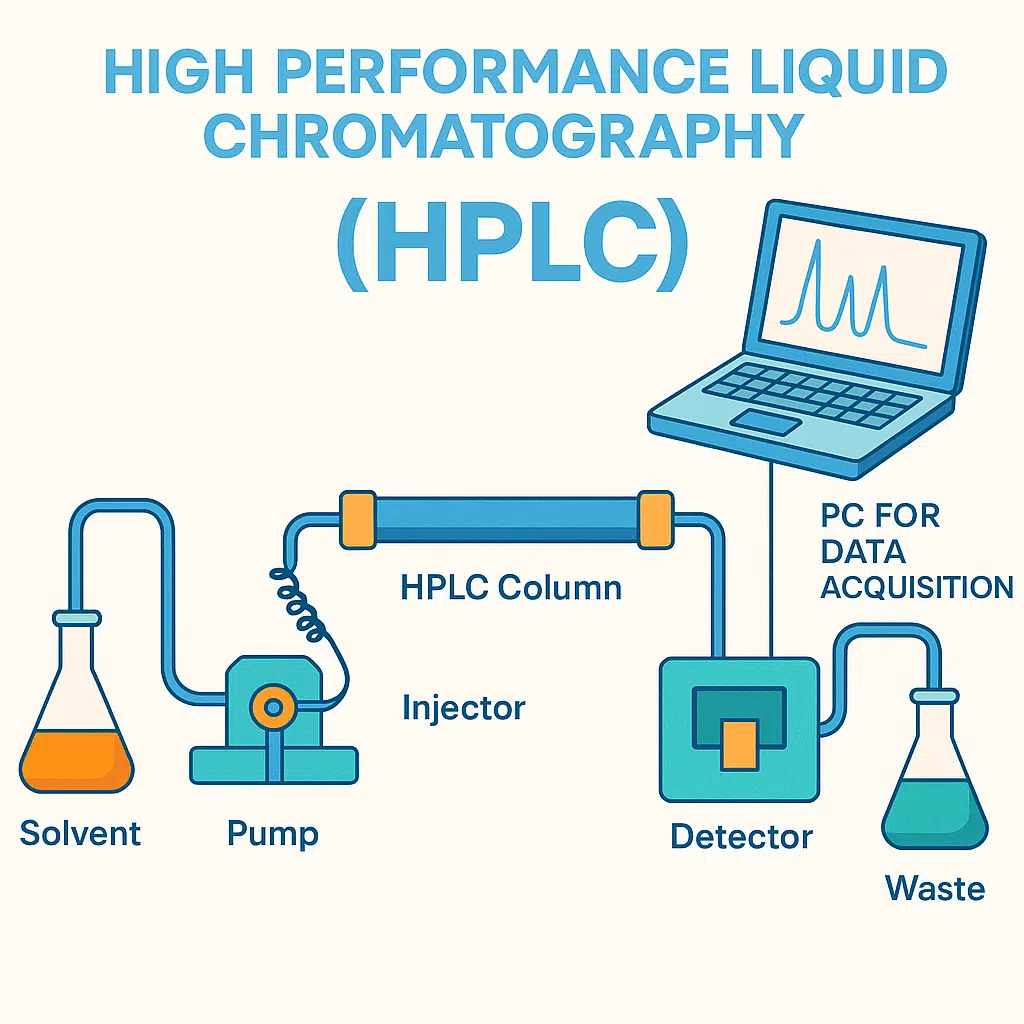
Ends · DALLASCIUA389